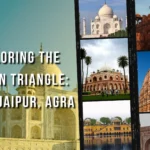
Travelling from Delhi to the sacred trio of Mathura, Vrindavan, and Agra is one of the most fulfilling journeys in India. This route weaves together profound spiritual experiences with breathtaking historical marvels.
Mathura marks the birthplace of Lord Krishna, Vrindavan echoes with tales of his divine childhood plays (leelas) with Radha and the gopis, and Agra stands as a testament to eternal love through the magnificent Taj Mahal.
For families, devotional groups, friends, or even corporate outings, this pilgrimage-cum-sightseeing trip is best enjoyed in comfort and togetherness.
Hiring a Tempo Traveller from Delhi provides the perfect solution—spacious, air-conditioned, reliable, and economical for groups of 9 to 20+ people.
At MathuraVrindavanPackage.com, we offer specialized Tempo Traveller hire services tailored for these divine routes. Our fleet includes well-maintained, comfortable vehicles with experienced drivers who know every shortcut, temple parking spot, and ideal timings to avoid crowds.
Whether you’re planning a same-day whirlwind, a relaxed 2-day escape, or a comprehensive 3-day exploration, we customize everything to suit your needs, including optional hotel bookings, pure vegetarian meals, and guide assistance.
Reach out today at +91 8076786032 or email info@mathuravrindavanpackage.com to get started on your memorable trip.
Why a Tempo Traveller is the Best Choice for This Journey
A Tempo Traveller transforms group travel into a shared, enjoyable experience. Everyone rides together, chats about Krishna’s legends, sings bhajans, shares snacks, and rests comfortably during the drives—no need to coordinate multiple cars or endure crowded trains and buses.
The route from Delhi to Mathura covers about 180 km via the smooth Yamuna Expressway, taking 3-4 hours depending on traffic.
This modern 6-lane highway offers excellent road conditions, scenic views, rest areas, fuel stations, and minimal disruptions. From Mathura to Vrindavan is a quick 10 km hop, and Vrindavan to Agra is around 60 km (1-1.5 hours).
A Tempo Traveller handles these distances effortlessly with reclining seats, powerful AC, music systems, charging points, and ample luggage space for souvenirs like Mathura pedas, Agra petha sweets, or marble handicrafts.
Economically, it’s unbeatable for groups. Our hire rates start from Rs. 16 per km for AC models, with inclusions like fuel, driver allowance (typically Rs. 500 per day), tolls, parking, and state permits in standard packages.
For a 2-3 day trip totalling 500-700 km, group costs become very affordable—often Rs. 1,500-3,000 per person for larger groups (e.g., 12-16 seater vehicles). No hidden surprises, transparent billing, and full focus on your comfort and safety.
Our drivers are locals with deep knowledge of the area—they time arrivals for morning aartis to beat crowds, suggest the best vegetarian eateries serving sattvic food, and navigate narrow lanes near temples.
Regular vehicle maintenance, safety features like GPS and first-aid kits, and punctuality ensure a stress-free devotional experience.
For tips on the drive: Start early (around 6 AM) to avoid Delhi traffic and reach Mathura by 9-10 AM; keep cash for tolls; use offline maps for rural stretches.
Best Time to Visit: Weather, Seasons, and Festivals
Timing your trip right enhances the spiritual and scenic beauty of this route significantly.
The ideal window is October to March, when daytime temperatures hover between 15-25°C—perfect for long walks around temples, attending evening aartis, and exploring Agra’s monuments without discomfort.
Winter evenings are cool and magical for Yamuna aarti in Vrindavan (with floating lamps), or Taj Mahal sunset views in soft golden light.
Avoid April to June, when the heat soars to 40-45°C, making outdoor exploration tiring and exhausting. Monsoons (July-September) bring rain that can cause road delays, flooding in low-lying areas, or slippery conditions on rural roads.
Festivals add extra vibrancy and immersion:
- Janmashtami (Krishna’s birthday, typically August/September): Temples in Mathura and Vrindavan come alive with midnight celebrations, elaborate decorations, bhajans, rasleelas, and special aartis. The energy is electric, but crowds are massive—plan for longer queues.
- Holi (around March): One of the most famous and colourful festivals in the Braj region. Celebrations span weeks, including Lathmar Holi in Barsana (women playfully hitting men with sticks) and Nandgaon, Phoolon Wali Holi (flower colours) in Vrindavan, and grand events at Banke Bihari and Dwarkadhish temples. In 2026, key dates include Barsana Lathmar Holi around late February, with main Holi festivities in early March. It’s joyful but chaotic—book early and wear old clothes!
Plan around these for a deeper connection to Krishna’s legacy, but choose off-peak for quieter, more personal darshans.
Detailed 3-Day Itinerary: A Relaxed and Comprehensive Plan
Our most popular packages are 2-day and 3-day tours, fully customizable based on your group’s pace and interests. Here’s a well-paced 3-day itinerary starting from Delhi:
Day 1: Delhi to Mathura and Vrindavan – Embracing Krishna’s Birthplace
Depart early (around 6 AM) from your Delhi pickup point (home, hotel, airport). Enjoy the scenic, smooth Yamuna Expressway drive.
Arrive Mathura by 9-10 AM. Begin at Shri Krishna Janmabhoomi Temple—the heart of devotion. This complex includes the Keshavdev Temple, the sacred Garbha Griha (birth cell) where Krishna was born in prison to Devaki and Vasudeva under Kansa’s tyranny, and Bhagavata Bhavan with Radha-Krishna deities.
The site holds immense historical and spiritual significance, with a museum displaying ancient artifacts related to Krishna’s era. Spend 1-2 hours in prayer, reflection, and absorbing the divine energy.
Next, visit Vishram Ghat on the Yamuna Riverbank. Legend holds that Krishna rested here after slaying his tyrannical uncle Kansa.
Enjoy the serene atmosphere, perhaps a short boat ride on the holy river, or the evening aarti if timing aligns—lamps floating on the water create a truly divine ambiance.
Short drive to Vrindavan for lunch (try pure vegetarian thalis with local specialties like aloo sabzi, puri, or Mathura peda). Afternoon: Banke Bihari Temple, one of Vrindavan’s most beloved spots.
The deity, a combined form of Radha and Krishna (discovered by Swami Haridas in the 16th century), is worshipped in a unique “jhanki” style—curtains open briefly for glimpses amid ecstatic bhajans and crowds swaying in devotion.
Darshan tips: Arrive early to avoid peak crowds; no photography inside; maintain silence and respect.
Explore Nidhivan, a mystical grove where folklore says trees transform into gopis at night for Krishna’s rasleela—its serene paths and ancient trees add enchantment.
End with Prem Mandir at dusk—its stunning marble architecture, intricate carvings depicting Krishna’s life episodes, and evening LED light shows and fountains are mesmerizing.
Overnight in Vrindavan (we arrange comfortable, veg-friendly hotels with options from budget to premium, including pure veg meals).
Day 2: Deeper into Vrindavan, Then to Agra – From Devotion to Grandeur
Rise early for ISKCON Temple (Sri Krishna Balaram Mandir)—attend the mangal aarti (around 4:30-5 AM) if you’re up for it.
This vibrant global center features beautiful deities, a Vedic museum explaining Krishna consciousness, serene gardens, and soulful kirtans throughout the day. It’s a hub for devotees worldwide, with prasadam available.
Optional: Short visit to Radha Kund (a sacred pond believed to be created by Radha) or a mini parikrama around Govardhan Hill—where Krishna lifted the hill on his finger to protect villagers from Indra’s wrath, symbolizing protection and devotion.
After breakfast, drive to Agra (1-1.5 hours). Lunch en route (authentic UP cuisine like dal makhani, paneer dishes, or local thalis).
Afternoon/evening: Taj Mahal at sunset. Built by Mughal Emperor Shah Jahan in memory of his wife Mumtaz Mahal, this white marble wonder changes hues beautifully in golden light.
Explore the vast gardens, mosque, and main mausoleum (extra fee for inner chamber). Tips: Book tickets online in advance; wear comfortable shoes for walking; no food or large bags inside; photography is allowed, but follow the rules.
Overnight in Agra (arrangements available for comfortable stays near the Taj or city center).
Day 3: Agra’s Mughal Splendour and Return to Delhi
Sunrise at Taj Mahal—the absolute best time: fewer crowds, a soft pink-orange glow on the marble, and a peaceful, almost ethereal atmosphere. Arrive early (opens 30 minutes before sunrise); it’s magical for photos, quiet reflection, and witnessing the monument’s changing colours.
Then, Agra Fort—a massive red sandstone UNESCO World Heritage site with palaces like Diwan-i-Aam (public audience hall), Khas Mahal, and stunning views of the Taj Mahal from its ramparts.
Dive into Mughal history, including Shah Jahan’s confinement here by his son Aurangzeb in his later years.
Optional add-ons: Itmad-ud-Daula (often called Baby Taj)—a beautiful precursor to the Taj with exquisite pietra dura inlay work and symmetry; or Fatehpur Sikri (40 km away)—Akbar’s abandoned planned city featuring the grand Buland Darwaza and Salim Chishti’s tomb.
Shop for marble inlays, leather goods, carpets, or famous Agra petha sweets in Sadar Bazaar before the 3-4 hour drive back to Delhi via the Yamuna Expressway. Arrive by evening, filled with memories.
This itinerary balances spirituality, history, and relaxation—adjust for more temples (like Dwarkadhish in Mathura or Keshi Ghat in Vrindavan), local experiences (Yamuna boat rides, street chaat), or rest as needed.
Related Tours
In-Depth Look at Must-Visit Attractions
Mathura
- Shri Krishna Janmabhoomi: Sacred prison cell site where Krishna was born; feel the divine energy and historical resilience.
- Dwarkadhish Temple: Ornate 19th-century architecture with vibrant festivals and beautiful deity darshan.
- Vishram Ghat: Riverside peace with aarti rituals and legends of Krishna’s rest.
Vrindavan (Beyond Temples)
- Banke Bihari Temple: Unique darshan style, joyful bhajans, and intense devotion.
- ISKCON Temple: Modern devotion with kirtans, prasadam, and educational exhibits.
- Prem Mandir: Evening illuminations and detailed carvings of Krishna’s life.
- Nidhivan & Keshi Ghat: Mystical walks, Yamuna boat rides, and folklore charm.
- Local experiences: Taste pedas, kachori, or street chaat; attend Yamuna aarti; explore markets for beads, idols, and devotional books.
Agra
- Taj Mahal: Sunrise/sunset essential; entry ₹50 (Indians), ₹1,100 (foreigners); mausoleum extra ₹200; symbol of love and architectural perfection.
- Agra Fort: Historical insights into the Mughal empire, panoramic views.
- Itmad-ud-Daula: Beautiful precursor to the Taj with intricate designs.
Cost Breakdown and Package Details
Rates start at Rs. 16/km; typical 2-day packages around Rs. 20,000-25,000 for 12-16 seater (group-friendly, including fuel/driver/tolls). For 3 days, expect slightly higher based on km and add-ons.
Inclusions: Vehicle, fuel, driver, tolls/parking. Add-ons: Hotels (₹2,000-5,000/night), veg/sattvic meals, guide. Exclusions: Personal expenses, Taj entry fees, tips.
We offer same-day, 2-day, 3-day, and extended options—all flexible and tailored.
Why Choose MathuraVrindavanPackage.com?
Our expertise in pilgrimage tours ensures devotion-focused, hassle-free experiences. Drivers suggest authentic local spots, secure easy temple access, and prioritize your safety and comfort.
Perfect for families, groups, or solo spiritual seekers seeking a meaningful journey.
Ready to embark on this soul-enriching adventure? Book your Tempo Traveller hire from Delhi to Mathura, Vrindavan, and Agra today!
Call/WhatsApp: +91 8076786032 Email: info@mathuravrindavanpackage.com Visit: mathuravrindavanpackage.com
Limited availability during festivals like Janmashtami and Holi—secure your dates now for the best rates and a customized plan. Jai Shri Krishna!
Frequently Asked Questions
1. Why should I hire a Tempo Traveller from Delhi for Mathura, Vrindavan and Agra sightseeing?
Hiring a Tempo Traveller is ideal for families, pilgrimage groups, and corporate teams because:
- 9–16 comfortable pushback seats
- Spacious luggage capacity
- AC comfort for long drives
- Everyone travels together
- Cost-effective compared to multiple cars
It ensures a coordinated and relaxed group experience.
2. What places are covered in Mathura and Vrindavan?
Major attractions include:
- Shri Krishna Janmabhoomi Temple
- Dwarkadhish Temple
- Banke Bihari Temple
- Prem Mandir
- ISKCON Temple Vrindavan
- Govardhan Parikrama (optional)
3. What are the main sightseeing spots in Agra?
In Agra, popular sites include:
- Taj Mahal
- Agra Fort
- Mehtab Bagh
- Fatehpur Sikri (optional extension)
4. How many days are required for Delhi–Mathura–Vrindavan–Agra tour?
Ideal duration:
- 2 Days: Quick spiritual + Taj Mahal visit
- 3 Days: Comfortable sightseeing without rush
Typical route:
Delhi → Mathura → Vrindavan → Agra → Delhi
5. What is the distance from Delhi to Mathura and Agra?
From Delhi:
- Delhi to Mathura: ~180 km (3–4 hours via Yamuna Expressway)
- Mathura to Agra: ~60 km (1–1.5 hours)
- Agra to Delhi: ~230 km (4 hours)
6. What is the cost of hiring a Tempo Traveller from Delhi for this route?
Approximate pricing:
- 9–12 Seater: ₹24–₹32 per km
- 16 Seater: ₹28–₹36 per km
For a 2–3 day trip, total vehicle cost may range between ₹22,000 – ₹45,000 depending on:
- Total days
- AC usage
- Parking & toll charges
- Luxury vs standard model
7. Is it better to hire a Tempo Traveller or multiple cars?
For 6+ passengers, a Tempo Traveller is:
- More economical
- Easier for coordination
- Safer for night travel
- More comfortable for elderly travelers
It also reduces logistical confusion.
8. Is the Yamuna Expressway safe for Tempo Travellers?
Yes. The Yamuna Expressway is:
- Wide and well-maintained
- Suitable for group vehicles
- Faster route between Delhi and Agra
Professional drivers maintain safe speed limits.
9. Can the itinerary be customized?
Yes. Customization options include:
- Same-day Delhi–Mathura–Vrindavan tour
- Adding Fatehpur Sikri
- Sunrise Taj Mahal visit
- Govardhan & Barsana extension
- Hotel + guide inclusion
Packages are flexible based on group needs.
10. What is the best time to visit Mathura, Vrindavan and Agra?
Best months:
- October to March (pleasant weather)
Avoid peak crowd periods if you prefer peaceful darshan:
- Holi (Braj region)
- Janmashtami
- Long weekends
Early morning temple visits and Taj sunrise slots are recommended.